
I confess I once chased a bonus round until my own testing checklist blurred. You have seen that look in a mate’s eyes after a long session at the table. The honest work is knowing when the maths stops being fun and starts being a bill.
If you want realistic expectations casino games Australia, you need to separate the thrill from the return. Most punters already know the odds sit against them, yet they still talk as if a lucky streak will pay the mortgage. The trick is to treat every session like a fixed-cost entertainment purchase, not a side hustle.
Can you actually read the odds?
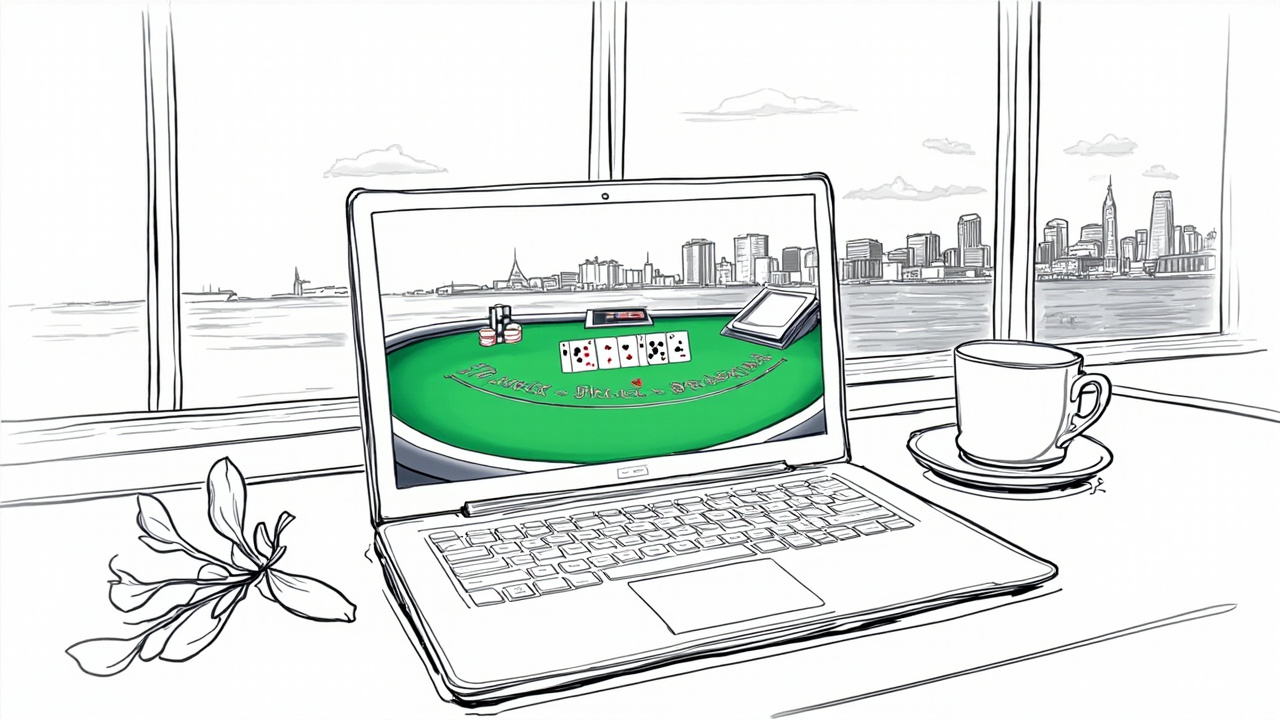
A seasoned punter already knows the house edge is baked in, so the real question is how you measure it. Kevin Nguyen, who has spent years stress-testing release readiness for operators, puts it this way: a game is only fair if its advertised volatility matches what you can afford to lose in a single sitting. That means checking the paytable, not just the banner.
You can judge a slot by its hit frequency rather than its top-line jackpot. Say you deposit fifty dollars and watch how often you get anything back over twenty minutes. If the screen stays quiet, the game is simply running a long dry spell, not owing you a catch-up win.
The Interactive Gambling Act 2001 shapes what you can play onshore, and in practice it means the sites you see advertised locally are usually the ones holding an Australian licence or operating under a carve-out. That Act does not make the games easier to beat, it just narrows the pool of operators you can access without crossing into grey-market waters.
How long should a single session last?
Time slips faster than a good deal at a Canberra pub on a Friday. You should set a hard stop before you spin the first reel, because the second hour always feels cheaper than the first. Reality-check reminders alert players to how long they’ve been gambling, and you should treat that prompt as a stop sign, not a suggestion.
Pick a timeframe that fits your budget, not your mood. If you plan to spend two hundred dollars across the night, split it into four blocks of fifty and walk away when the block is gone. The block method stops a losing streak from turning into a whole evening of chasing.
Does the bonus round ever fix a bad run?
A myth floats around every lounge: the free spins will even out a rough patch. They do not. A bonus round is just a different set of rules with the same underlying edge, and it can run hot or cold on its own schedule.
In the Indian epic Mahabharata, a fateful dice game triggers a great war, which is a sobering reminder that a single round can tilt everything if you let it. You do not need an ancient war to ruin a night, just the habit of treating a bonus as a rescue package. When the round ends, the base game resumes exactly where the edge left it.
What should you check before you deposit?
A quick pre-deposit checklist saves more money than any lucky symbol ever will. Look at the wagering requirement, the game weighting, and the expiry window, because those three numbers decide whether the offer is a deal or a trap. If the terms read like a footnote you would skip, walk on.
You can also read the operator’s public material and cross-check it against industry coverage on a neighbour site like arts hub before you hand over a card. A reputable operator will not hide the playthrough behind vague wording. If you want a code for heaps o wins no deposit bonus code, treat it as a trial run, not a second income stream.
How do you know an operator is playing straight?
Operator confidence comes from repeatable behaviour, not a glossy homepage. Callum Ryan, Head of Public Relations, Tasman Gaming Partners, says the operators worth trusting are the ones who publish their complaint pathways and respond to them in writing. A polished launch matters less than a documented fix when something goes wrong.
You can judge an operator by how they handle a payment delay, not by how fast they approve a first deposit. Charlotte McKenzie, Payments Strategy Director, Bondi Sports Data, notes that the cleanest operators separate bonus funds from real funds in a way you can actually see on the ledger. If the balance screen blurs the two together, that is a warning sign.
Industry reporting on a neighbour outlet like igaming business often flags the same payment patterns, so a quick read there can save you a headache later. A reliable operator does not need you to guess where your money went.
Which games suit a fixed budget?
A fixed budget needs games that let you control the pace. Lower-volatility table options and slower-paced reels give you more visible decisions per dollar, which matters when you are counting sessions rather than chasing a big hit. The trade-off is a smaller ceiling, and you should accept that before you sit down.
You can compare two games by running the same bankroll across each for a set number of spins. If one game eats the bankroll in half the time, it is not better or worse, just faster. Choose the speed that matches the evening you actually want.
When should you walk away for good?
A session ends cleanly when you hit the limit you set before the first deal. You should also walk when the screen starts feeling like a job, because that is the moment the entertainment value has already dropped to zero. Chasing a return from there is just paying to feel worse.
Write the exit rule on a note in your pocket, not in your head. A written rule survives a bad beat better than a mental promise. If you need a second opinion on where the line sits, a reality-check prompt on the screen is there for exactly that reason.
How do you keep the habit honest?
Honest play is mostly about separating the fun from the finance. You should treat the money you bring as the cost of a night out, the same way you would budget for a meal and a few drinks in Civic. Once the cost is spent, the night is over, and the cards далее do not care about your plans for tomorrow.
You can keep the habit honest by reviewing your last three sessions and asking whether each one felt like entertainment or like work. If the answer leans toward work more than once, the pace is wrong, not the game. Adjust the bankroll or the game speed before you book the next night.
A short checklist for tonight
- Set a hard loss limit before you log in, and write it down where you can see it.
- Pick one game and stick to it for the session, so you can read its pace instead of swapping when the reels go quiet.
- Use a reality-check timer if the site offers one, and treat the alert as a cue to count your chips, not to keep playing.
- Stop when the limit is hit, even if the next hand looks like it might turn around, because a turned hand is still a cost you already agreed to.
- Log out and leave the device alone for the rest of the evening, so the session stays a single decision rather than a slow bleed.code for heaps o wins no deposit bonus code
One practical tip you can act on today: set a timer on your phone for the exact length you want to play, and put the phone face down until it rings. When it rings, count what is left and decide with the timer, not with the reels.


 De Ponyfarm
Bleukweg 22
5032 PN Tilburg
(Tegenover Koolhoven)
Telefoon: 06 - 107 130 25
Mailadres: info@deponyfarm.nl
De Ponyfarm
Bleukweg 22
5032 PN Tilburg
(Tegenover Koolhoven)
Telefoon: 06 - 107 130 25
Mailadres: info@deponyfarm.nl